
Social Justice
Social Justice has a unique relationship with globalization. John Rawls developed a “Theory of Justice” in 1971 to help understand the connection between the two. Rawls mentions the importance of equal rights and liberty to all to allow citizens to decide their positions within society. Although Rawls and many other theories have hypothesized social justice and its connection to globalization, one thing became certain; it is hard to measure and define. Some believe that globalization has a negative influence on social justice. A common argument is that poor people are left behind and become disadvantaged in the natural course of globalization. Other’s like Paul Krugman argues that globalization is not the reason for social injustice and the weight should be focused on tax cuts. However, case study shows countries who experience rapid globalization enjoy social justice.
Theories in Higher Education
Theories can be a very essential part in understanding and developing higher education on a universal scale. However, it is important to understand the context in which the theories were created and used. This week we focused on one such theory describing how western thought has become superior of eastern thought and overrunning educational systems in eastern nations. Along that theory in particular it was important to understand where the theory was deprived from. I was able to learn that most of the biggest influencing theories towards higher education across the globe where all derived from the west and were directing at that population. Therefore, Eastern nations need cultural modification because those theories may not hold up in their area of the world. Theories are a key component of developing higher education on a universal scale but must be cautiously examined when understanding how to implement them in different areas of the world.
Internationalization in Asia, North Africa, and the Middle East
This week was also interesting to learn about the historically ignored and misrepresented regions of the world in a higher education context. Again, these countries have been overlooked by the pressure to globalize and develop neoliberalism. These countries have all had to resist the urge of develop western pedagogy and universal values.  The problem in these countries with universalism is accredited to cultural relativism. There is a need to shift the Western model in these countries to one that does a better job representing the indigenous and local culture that will allow students to find a deeper connection in their education and learning.
 Ultimately it is a way to promote academic mobility for students and bring higher education opportunities to different areas of the globe. One of the most unique readings I learned about from this week’s readings was how the term has changed from the 1960’s where it was primarily used as a way to describe international scholarships. Now it has shifted more towards cross-border education. It is also evident that it is a combined effort among different nations to cooperate in a manner that can promote and increase the process of internationalization, which is to increase the diversity of cultures that exist in the classrooms throughout different countries.
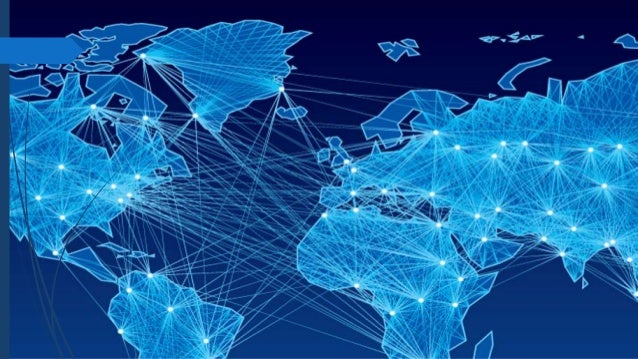 One thing is for sure, globalization has led more research and development at higher educational institutions.
 Studying abroad promotes internationalization by promoting academic mobility across different countries. Studying abroad opens the door for a vast range of career opportunities for undergraduate students.