
Cross-Border Education
Cross-border education references the “movement of people, programs, providers, policies, knowledge, ideas, projects and services across national borders” (Knight, J). It has grown at a rapid pace in recent years. The term itself can be confusing to understand at times because it is also known as transnational, offshore, and borderless education. With the predictions of increasing numbers of international students, huge challenges lie ahead. There has been growing interest for countries to begin to offer foreign curriculum within their own borders. A large portion of creating cross-border education lies in the mobility of programs and educational courses. The goal of cross-border education is to create joint degree programs within different countries and new opportunities to access higher education.
International Standards in Higher Education
Over one million international student study in higher educational institutions across the United States. America’s high-quality programs are accredited with these high numbers. Many benefits can from a cross-cultural perspective can be seen from international education. Standards upheld by the ISPS require international student advisors to gain the proper training in order to make sure this experience can happen. International student advisors are also required to remain current on governmental regulations and policies that exist. NAFSA suggests that these advisors need to “ effectively communicate these regulations to students and key campus community members; establish and maintain working relationships with individuals on and off-campus to address and advocate for students’ needs; be competent in crisis intervention; have strong cross-cultural competencies to allow them to interact effectively with students from diverse cultures; understand how to develop effective and creative social and cultural programming; and prioritize and manage time and resources” (Council for…). Having international standards is essential and critical for student success and career outcomes.
International Education Knowledge Community
One of the biggest influencers in international education is hearing and learning about first hand experiences from students as well as professionals. The International Education Knowledge Community offers the opportunity to do just that. It is great way to promote global internationalization within higher education. NASPA is a way to stay up-to-date on social action and civic engagement opportunities that are currently present. In order to learn, there needs to be a way to share knowledge and practices across the globe. The International Education Knowledge Community is in place to distribute this information and also continue to research new options and better ways of doing so. The three goals of the International Education Knowledge Community are:
- To stimulate increased awareness of the global perspective in higher education.
- To provide a structure and opportunity for members to communicate regarding global issues related to student affairs.
- To encourage professional connections with colleagues in other countries.
References
Council for the Advancement Standards in Higher Education (2008). CAS standards on International Student Programs.
“International Education About.” NASPA, www.naspa.org/constituent-groups/kcs/international-education/history.
Knight, J. (2012). Concepts, rationales, and interpretive frameworks In D. Deardorff, H. de Wit, J.D. Heyl, & T. Adams (Eds), SAGE handbook of international higher education (pp. 27-42). Thousand Oaks: Sage Publications, Inc.
 Their experience in a foreign environment has an influence on how they view the world and often causes emotional and psychological distress trying to readjust to lives in their home country. Many factors can influence the degree and magnitude of culture shock that one undergoes. For example, the amount of time spent in another country or the extent of differences in cultures from the student’s home country and the country they are studying abroad in can all play a role. Reverse culture shock is very real and definitely takes a great supporting cast to help the student readjust to their daily routines.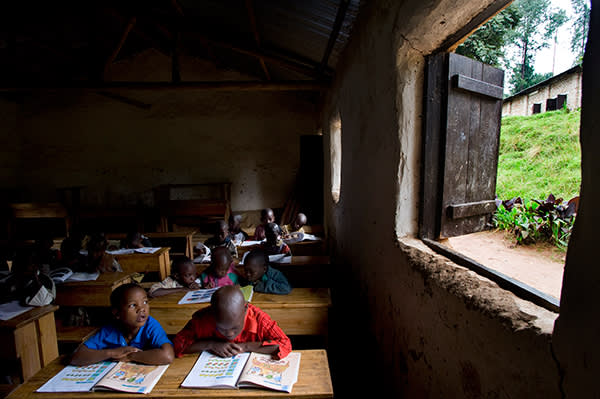
 The problem in these countries with universalism is accredited to cultural relativism. There is a need to shift the Western model in these countries to one that does a better job representing the indigenous and local culture that will allow students to find a deeper connection in their education and learning.
 Ultimately it is a way to promote academic mobility for students and bring higher education opportunities to different areas of the globe. One of the most unique readings I learned about from this week’s readings was how the term has changed from the 1960’s where it was primarily used as a way to describe international scholarships. Now it has shifted more towards cross-border education. It is also evident that it is a combined effort among different nations to cooperate in a manner that can promote and increase the process of internationalization, which is to increase the diversity of cultures that exist in the classrooms throughout different countries.
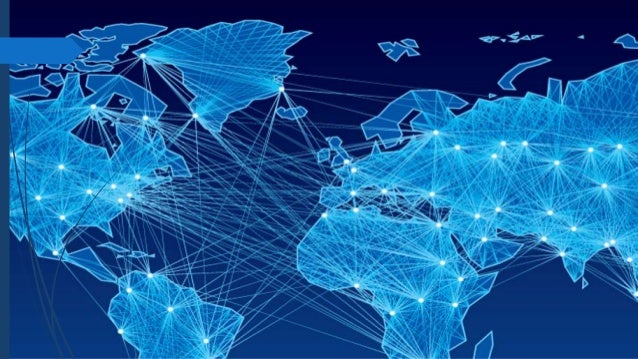 One thing is for sure, globalization has led more research and development at higher educational institutions.
 Studying abroad promotes internationalization by promoting academic mobility across different countries. Studying abroad opens the door for a vast range of career opportunities for undergraduate students.